

Why Nutrition Matters in Triathlon
Endurance training places unique stress on the body. Glycogen stores are depleted, hydration is constantly challenged, and electrolyte balance can quickly shift.
Unlike short, high-intensity sports, triathlon requires athletes to think about sustaining energy over hours, not minutes.
Proper nutrition helps maintain steady energy levels, supports muscle contraction, delays fatigue, and speeds recovery so training can remain consistent.
In other words, nutrition isn’t separate from training—it’s part of it.
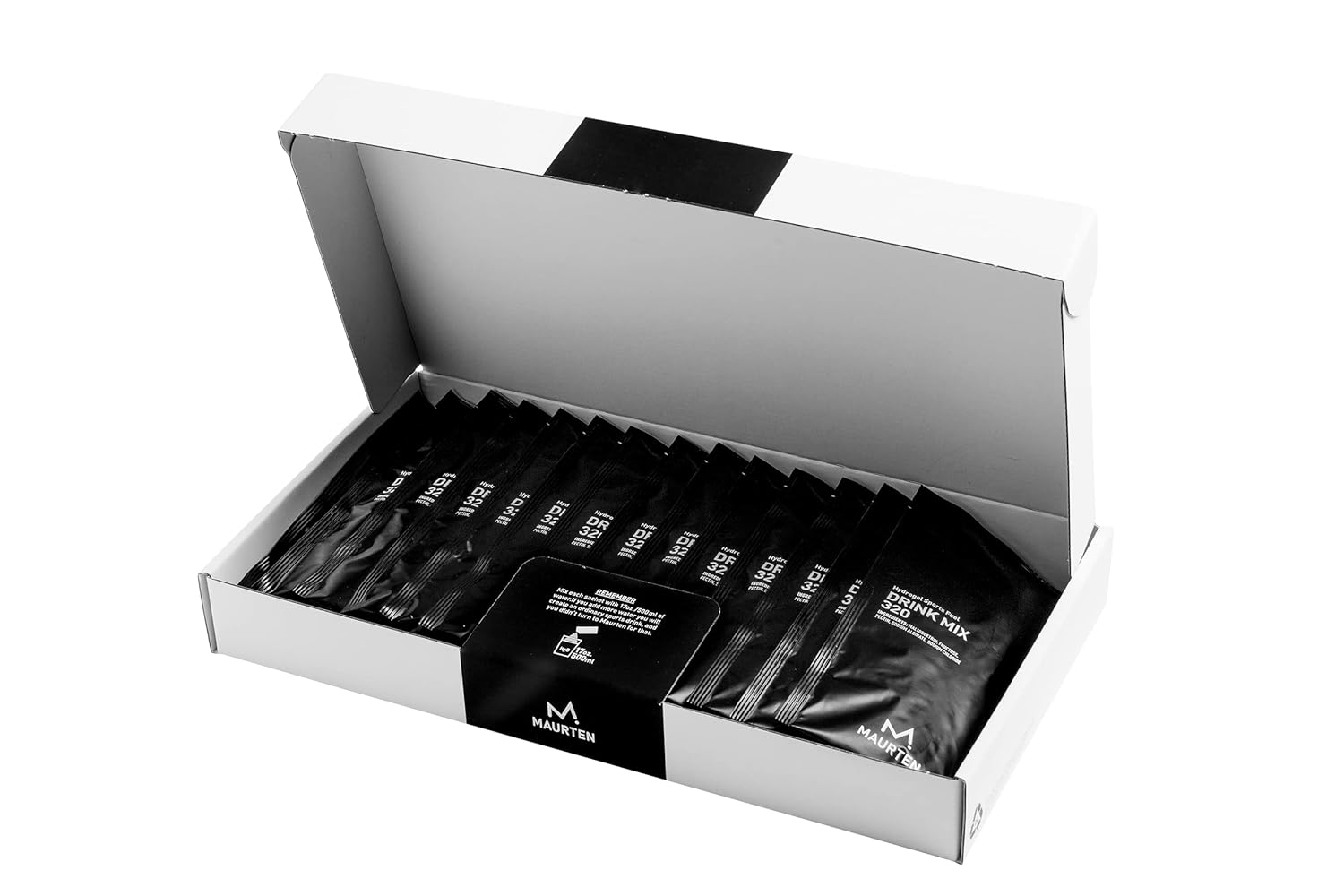
✅ Shop the full range of Maurten nutrition here: Shop Maurten
Daily Training Nutrition
For most triathletes, most sessions don’t require fancy gels or powders. What matters most is consistent, balanced eating throughout the week.
- Carbohydrates: Form the backbone of endurance performance. Incorporate whole grains, fruits, and starchy vegetables to maintain glycogen stores.
- Protein: Essential for muscle repair, especially after hard intervals and long sessions. Aim for 20–30g per meal.
- Healthy fats: Avocado, nuts, olive oil, and fatty fish support hormonal balance and recovery.
💧 Hydration should be viewed as ongoing—not just during workouts.
Monitor urine color as a simple gauge of daily hydration status. Keep yourself hydrated throughout the day and during workouts with Nuun Electrolyte Tablets
Pre-Workout and Race Prep
The golden rule: never try something new on race day. Practice your pre-workout meals in training so you know what sits well.
- Timing: Eat a balanced meal 2–3 hours before key workouts or races—something high in carbs, moderate in protein, and low in fat and fiber.
- Examples: Oatmeal with banana and a drizzle of honey, or white rice with eggs and a small portion of avocado.
- Top-up: For morning races, a small snack (like a banana or half an energy bar) 30–45 minutes before the start can settle nerves and top up glycogen.
Fueling During Training and Racing
This is where strategy matters most. Once glycogen stores dip, fatigue can be brutal.
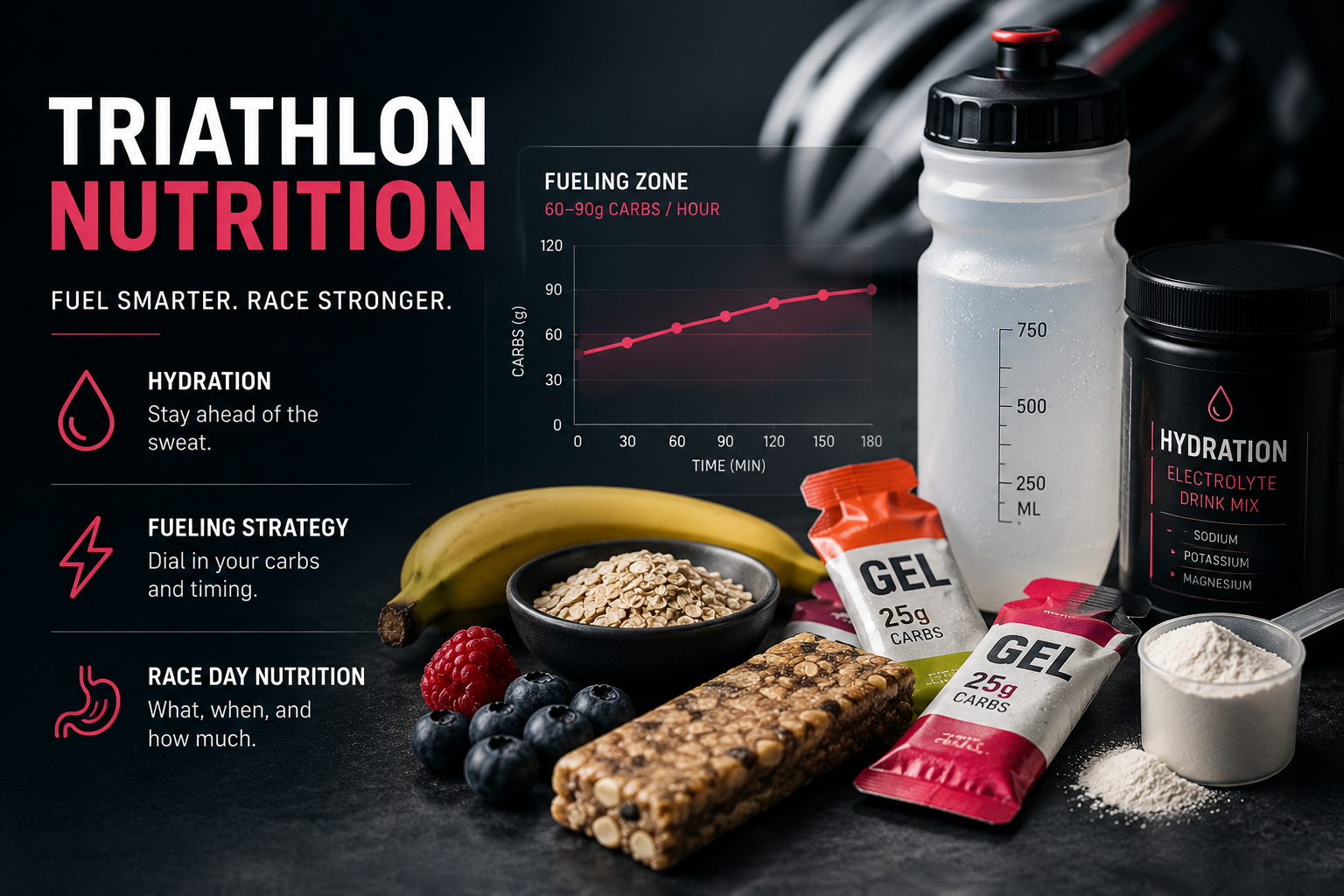
- Carbohydrate intake: Most triathletes benefit from 60–90g per hour during long efforts (roughly 240–360 calories). This can come from sports drinks, gels, chews, or real food like bananas or rice cakes.
- Bike vs. Run: The bike is where you should take in the bulk of your calories, since it’s easier to digest while in a stable position. On the run, focus on smaller, quicker carbs like gels or sports drinks.
- Hydration and electrolytes: For races over 90 minutes, aim for fluids with sodium, potassium, and magnesium to replace sweat losses.
The trick? Practice in training until your gut adapts. Gastrointestinal distress is one of the most common reasons athletes underperform on race day.
Recovery Nutrition
Your workout isn’t finished when you rack your bike—it’s finished when you refuel. The 30–60 minute post-workout window is critical for recovery.
- Carbs + protein combo: Aim for a 3:1 or 4:1 carb-to-protein ratio. Chocolate milk, a recovery shake, or a simple meal like rice and chicken all work well.
- Rehydration: Replace 150% of the fluids lost in sweat. For example, if you dropped 1kg (2.2 lbs) during a session, aim for ~1.5 liters of fluid over the next few hours.
- Micronutrients: Don’t overlook antioxidants (berries, leafy greens) and omega-3s, which help reduce inflammation.
Race Week Adjustments
Race week is not the time to reinvent your diet—it’s about fine-tuning.
- Carbohydrate loading: In the 48–72 hours before your race, gradually increase carb intake to ensure glycogen stores are full. This doesn’t mean eating only pasta; it means adding an extra serving of carbs at each meal.
- Hydration: Sip fluids steadily throughout the week, and add electrolytes if racing in hot conditions.
- Final 24 hours: Stick with familiar, simple foods—avoid high fiber and overly fatty meals. The goal is to toe the line feeling light, energized, and ready.
Practical Takeaways
✔️ Nutrition is the 4th discipline—train it.
✔️ Start with balanced daily eating.
✔️ Practice fueling in training so race day feels natural.
✔️ Consistency beats last-minute fixes.

