TL;DR
- Performance benefit: ~2–4% improvement in endurance time-trial performance is typical with proper caffeine use.
- Best dose: 3–6 mg/kg body mass, split before and during long events.
- Timing: First dose 45–60 min pre-start; “top-ups” later in long races. Caffeine gum works fastest (10–20 min).
- Greatest effects: Late-race mental drive, lower perceived exertion, and better power output.
Safety: Avoid very high doses (>9 mg/kg). Trial in training. Sensitive athletes should start low (1–2 mg/kg).
Why Caffeine Works (Physiology You Can Use)
i) Adenosine Antagonism (Central Nervous System)
- Caffeine blocks adenosine receptors in the brain, reducing central fatigue and lowering perceived exertion (RPE).
- You feel the same workload as “easier,” helping you sustain higher power/pace late in the bike or run.
ii) Neuromuscular Effects
- Evidence suggests caffeine enhances motor unit recruitment and excitation–contraction coupling, supporting small but meaningful gains in power output and time-trial speed.
iii) Substrate Utilization
- Caffeine can increase fat oxidation at low–moderate intensity and may spare glycogen early on, though results vary. The robust, repeatable effects in endurance events are primarily central (brain) and neuromuscular rather than large metabolic shifts.
iv) Carbohydrate Uptake Synergy
- During long events, caffeine + carbohydrate ingestion improves endurance performance vs carbohydrate alone—likely via CNS stimulation and perhaps enhanced intestinal absorption/brain signaling of sweetness.
What the Research Says
Meta-analyses show clear benefits for endurance performance:
- Ganio et al., 2009 (Int J Sport Nutr Exerc Metab): caffeine improved endurance performance by ~3.2% on average.
- Grgic et al., 2020 (Sports Med): across time-trial/race-like tests, caffeine consistently improved performance; doses 3–6 mg/kg were effective.
- Southward et al., 2018 (Sports Med): benefits are robust across modalities; beware sleep timing.
- Spriet, 2014 (Sports Med): summarizes mechanisms and practical use; supports pre- and mid-race strategies.
Genetics matter (but don’t panic):
- Guest et al., 2018 (Med Sci Sports Exerc) showed performance response can differ by CYP1A2 (metabolism) and ADORA2A (adenosine receptor) genotypes. Practical takeaway: test your dose and timing in training to find your personal sweet spot.
Formulation & absorption:
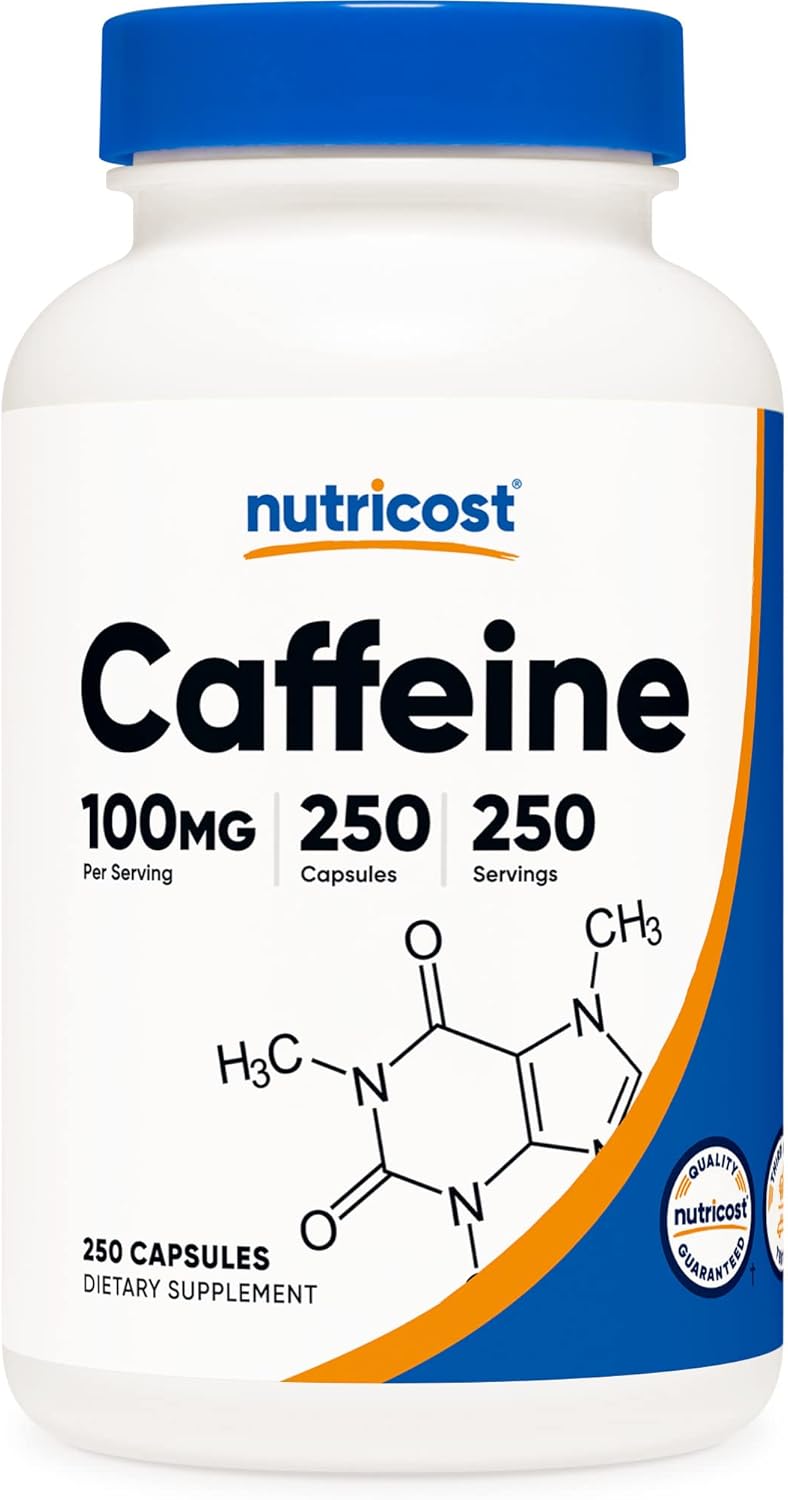
- Caffeine capsules/coffee peak in plasma ~45–60 min;
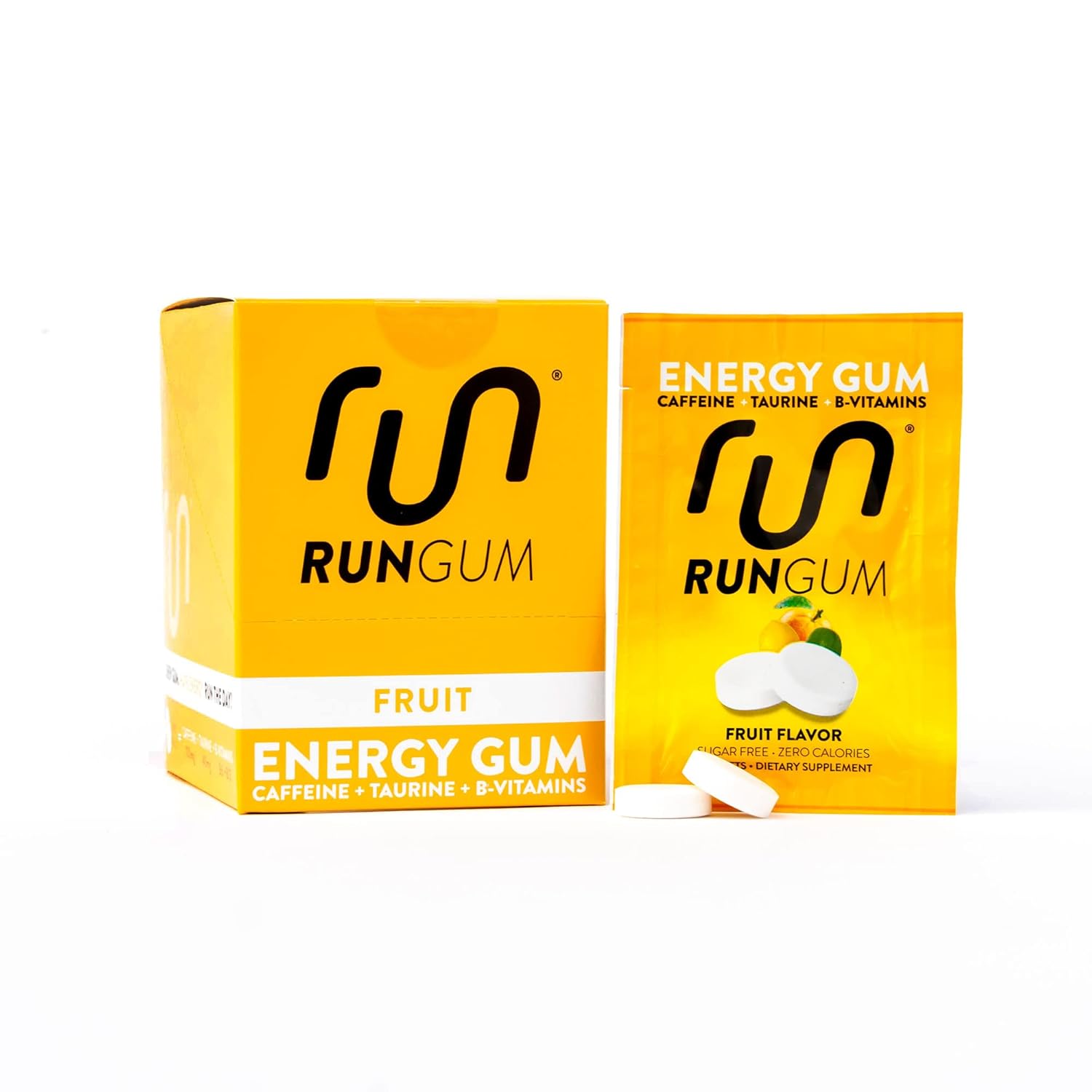
- Caffeine gum produces faster rises in blood caffeine (meaningful effects in 10–20 min) because of buccal absorption (e.g., Kamimori et al., 2002; Paton et al., 2010).
- Repeated low-to-moderate “top-ups” can maintain levels in long events.
Key number: A realistic, field-tested benefit of ~2–4% in race-time or power is common when caffeine is used well. Over an Olympic tri time of 2:30, that’s 3–6 minutes.
Dosing & Timing: Exactly How to Use Caffeine
1) Pre-Race (all distances)
- Start with 3 mg/kg body mass 45–60 min before the gun.
- 60 kg athlete → ~180 mg
- 75 kg athlete → ~225 mg
- 90 kg athlete → ~270 mg
- Sensitive? Try 1–2 mg/kg first.
- High doses (>9 mg/kg) increase side-effects (jitters, GI upset, anxiety) with little extra benefit.
2) During the Race (by distance)
Sprint (60–90 min):
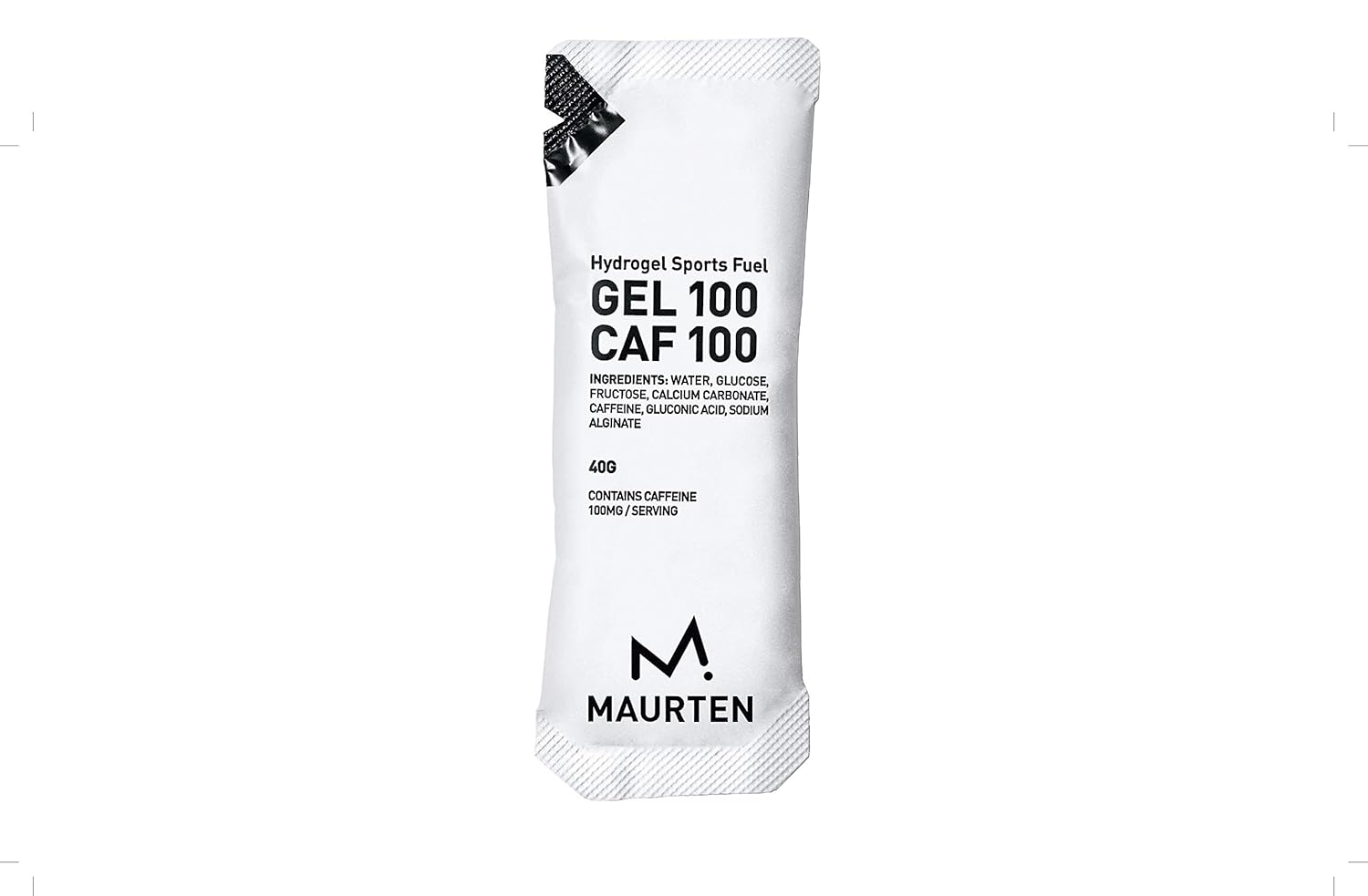
- Pre-race dose is usually enough. Optional small top-up (50–100 mg via gum/gel) if the run is decisive.
Olympic (2–3 hr):
- Pre-race 3 mg/kg, plus one top-up of 1–2 mg/kg around T2 or early run.
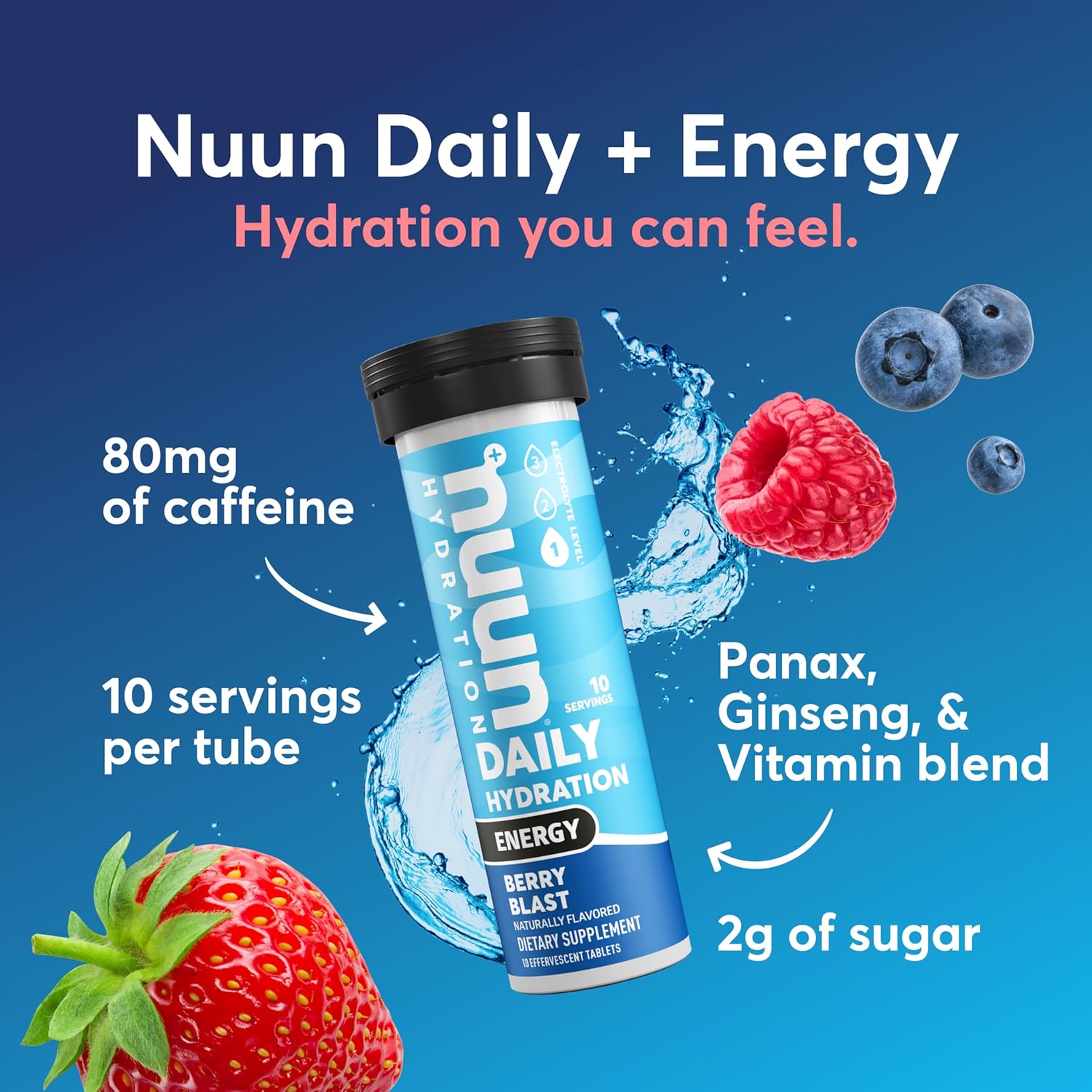
- Pair caffeine with carbohydrates 30–60 g/hr.
70.3 (4–7 hr):
- Pre-race 3–4 mg/kg.
- Top-ups of 1–2 mg/kg every 2–3 hr, last one for the late run.
- Keep carbs 60–90 g/hr.
Ironman (8–17 hr):
- Pre-race 3–4 mg/kg.
- Small, repeated top-ups (50–150 mg) every 2–3 hr, skewed toward the second half of the bike and early/mid run to fight central fatigue.
- Maintain carbs 60–90+ g/hr (gut-trained), fluids, and sodium.
Faster option when you need it quickly: Caffeine gum (effect in 10–20 min). Great for late-race surges.
What About Coffee?
- Coffee works, but dose is variable (80–120+ mg per espresso; brewed coffee ranges widely).
- For predictable race-day dosing, use capsules, gels, chews, or gum. Coffee is fine for pre-race routine if it never upsets your gut.
Habituation, Sleep & Avoiding Side-Effects
- Tolerance: Restricting caffeine for 3–7 days before key races may slightly enhance responsiveness for habitual users, but evidence is mixed. If you love your coffee, you don’t need a full “washout”—just avoid huge intakes the day before and protect your sleep.
- Sleep: Caffeine can impair sleep even 6–8 hr after ingestion for some people (Southward et al., 2018). For early races, keep afternoon/evening caffeine low the day prior.
- GI upset: Trial your exact race products (gels, chews, liquids) in training, at race intensity, with your full carbohydrate plan (“gut training”).
Hydration: Caffeine is not meaningfully diuretic during exercise; it does not dehydrate you when you’re active.
Safety, Legality & Ethics
- WADA: Caffeine is legal (on the Monitoring Program since 2004).
- NCAA threshold: Very high urinary levels (>15 µg/mL) can be an issue for collegiate athletes, but that’s far above typical endurance doses.
- Upper limits: Most athletes should avoid >9 mg/kg and stick to 3–6 mg/kg total spread across the event.
Practical Race-Day Plans
Olympic Tri (2–3 hr)
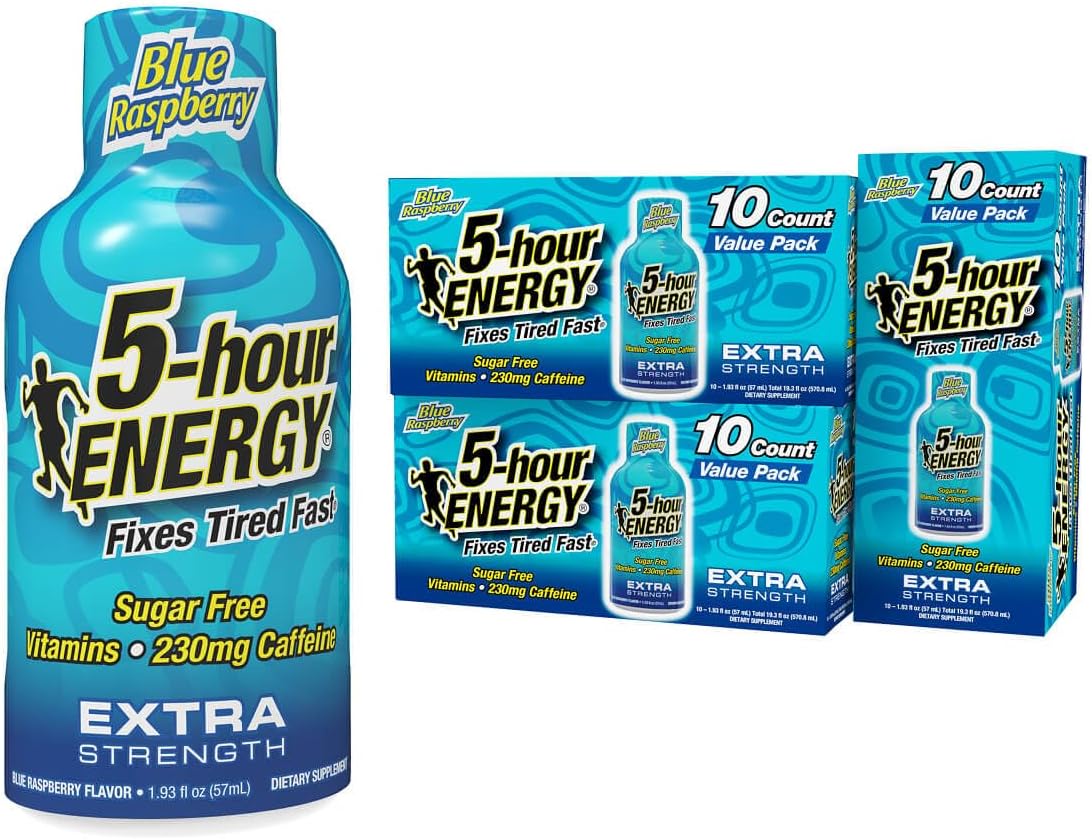
- 50–60 min pre-start: 200–250 mg caffeine (e.g., capsule/ Energy shot) + 30–60 g carbs
- Early run (T2): 100–150 mg via gel or gum
Half-Iron (4–7 hr)
- 45–60 min pre-start: 3–4 mg/kg
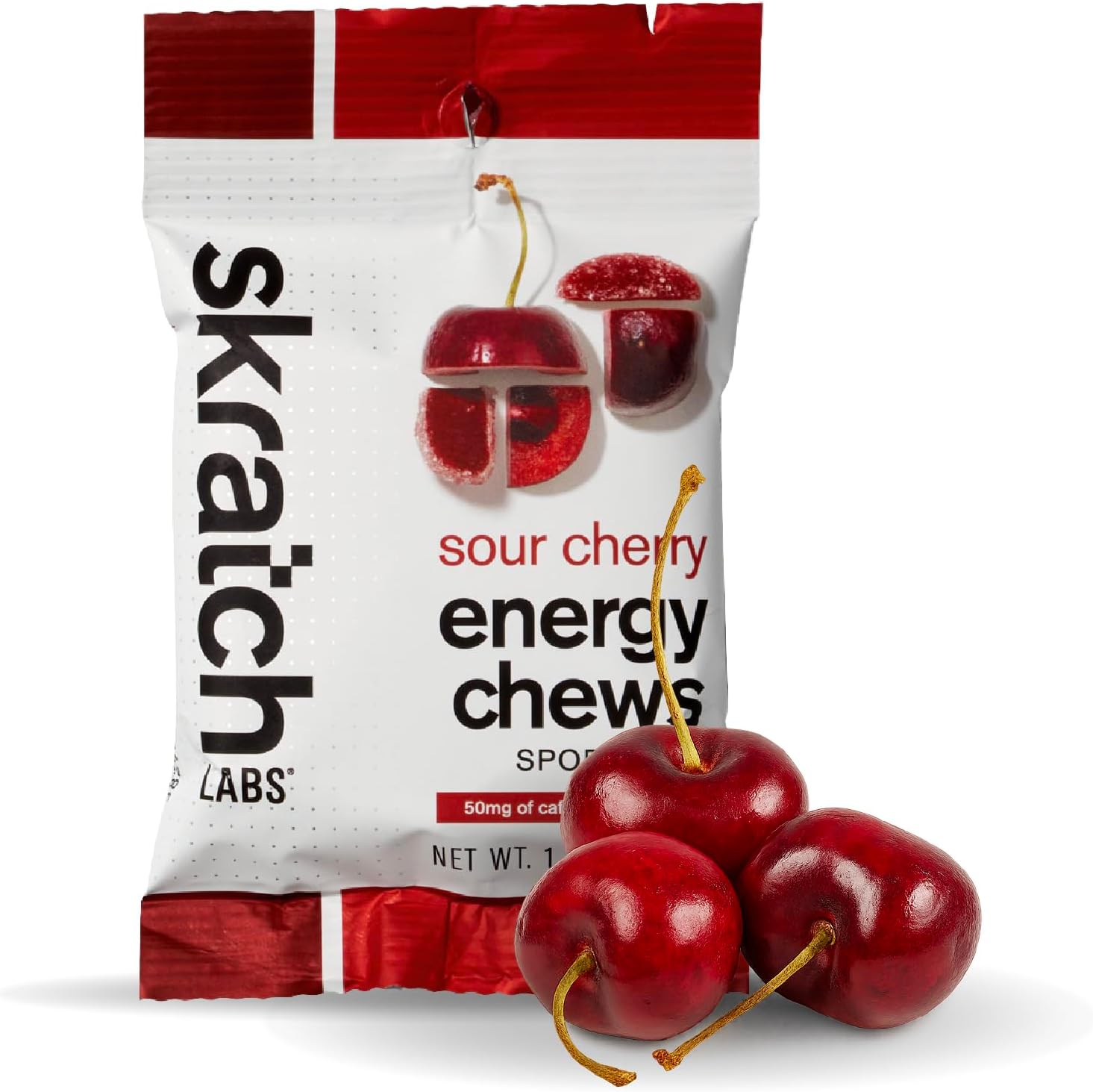
- Bike hr 2–3: 100–150 mg gel/chews
- Early run: 100–150 mg gum (fast)
Ironman (8–17 hr)
- 45–60 min pre-start: 3–4 mg/kg
- Bike hr 3–4 and 5–6: 50–150 mg per top-up
- Marathon km 10–25: 100–150 mg gum/gel
Who Should Be Cautious?
- History of arrhythmia, uncontrolled hypertension, severe anxiety disorders, pregnancy, or known caffeine sensitivity—consult a clinician.
- Genetics, SSRI/SNRI use, and certain medications can alter response. Start conservative.
Final Takeaway
Used intelligently, caffeine is one of the most reliable, legal performance enhancers in endurance sport.
Keep it simple: 3–6 mg/kg total, time it 45–60 min pre-start, and top-up strategically in longer races.
Test your plan in training, pair it with sound fueling, and enjoy those hard-earned late-race gains.
Disclaimer
Caffeine is a stimulant and can have significant effects on the body, including impacts on heart rate, blood pressure, and sleep. The information provided in this article is intended for general educational and informational purposes only and does not constitute medical advice. Every athlete responds differently to caffeine, and factors such as dosage, tolerance, pre-existing health conditions, and concurrent medications can influence safety and effectiveness.
Before using caffeine supplements or making changes to your nutrition and training plan, you should consult with a qualified healthcare provider or sports physician to determine what is appropriate for you.
Neither TriScout nor the author assumes responsibility for any adverse effects resulting from the use or misuse of caffeine or any products mentioned in this article.